The working principle of blow molding systems involves several key steps:
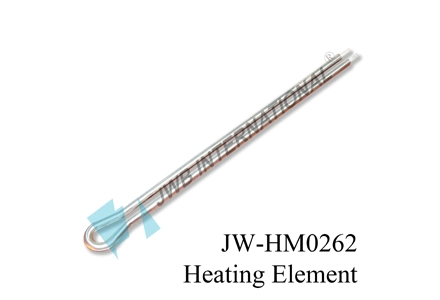
Preform Molding: Plastic material is fed into the extruder, where the screw rotates and the heating elements melt, plasticize, and evenly mix the material. The molten plastic is then extruded through the die of the extruder to form a continuous tube-like preform. The diameter and wall thickness of the preform can be controlled by adjusting parameters such as the screw speed, die temperature, and gap size.
Mold Clamping and Preform Placement: Once the preform reaches the desired length, the blow molding mold closes, and the preform is clamped securely between the two halves of the mold. The mold's clamping mechanism must ensure the preform is held firmly without causing damage.
Blow Expansion and Molding: After the mold closes, compressed air is blown into the preform, causing it to expand and conform to the cavity of the mold. The pressure and duration of the air blowing directly affect the thickness, dimensional accuracy, and surface quality of the final product. The blow pressure must be adjusted based on factors such as the type of plastic, preform temperature, and mold design.
Cooling and Solidification: After the preform expands, it undergoes cooling to solidify the plastic, ensuring the molded product retains its shape. Cooling can be achieved through water cooling, air cooling, or natural cooling methods. The cooling time depends on the type of plastic, wall thickness of the product, and mold structure.
Mold Opening and Product Removal: Once cooled and solidified, the mold opens, and the formed hollow plastic product is removed. The product may have excess material (flash) or burrs, which need to be trimmed or processed.

Blow molding systems play a crucial role in the beverage packaging industry. For example, in the production of bottled water, blow molding systems produce transparent, uniformly thick-walled, and strong plastic bottles. These high-quality bottles ensure product safety and airtight sealing, enhancing the consumer's experience and meeting the demand for high-quality beverage packaging.
In the pharmaceutical packaging sector, blow molding technology is also widely used. Pharmaceutical packaging demands strict hygiene standards and precise dimensional control. Blow molding systems can produce compliant plastic containers such as liquid medicine bottles and eye dropper bottles.
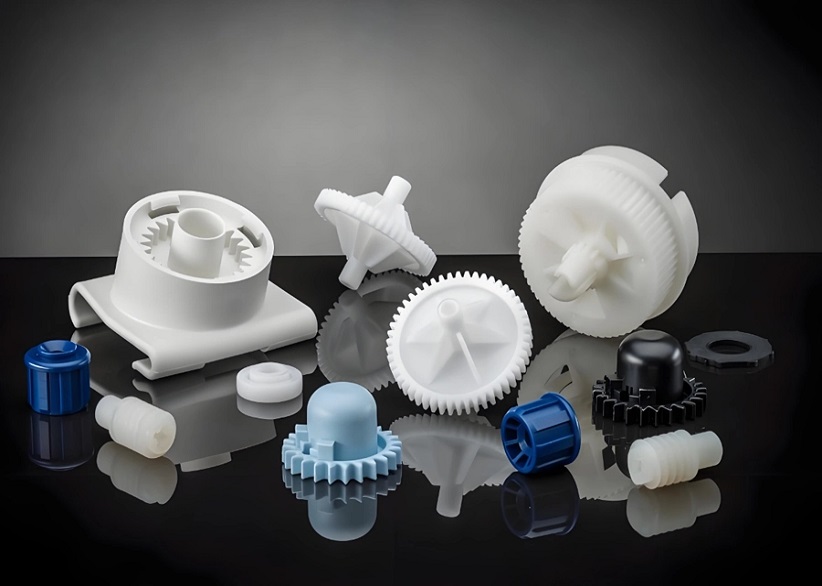
Blow molding systems are also extensively used in the toy manufacturing industry to create various plastic toy parts. The system allows for the production of products with intricate shapes, ensuring both aesthetic appeal and structural integrity.
In conclusion, blow molding systems, with their high efficiency and versatile applications, have become an indispensable part of plastic product manufacturing, driving the rapid growth of the plastics industry.