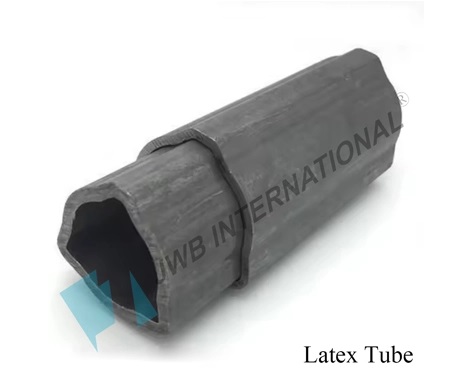
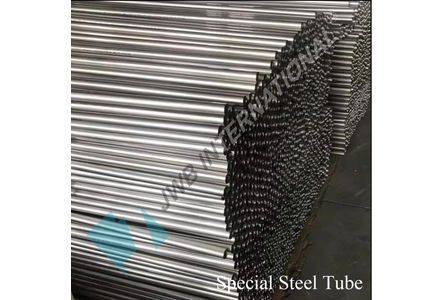
An Alloy Steel Tube is a type of tubing manufactured with alloying elements such as chromium, nickel, molybdenum, and vanadium, which enhance its strength, toughness, and corrosion resistance compared to standard carbon steel. These alloying elements allow the tube to withstand extreme mechanical and environmental conditions, making it a preferred material for industries that require durability and reliability. With its ability to handle high temperatures and pressures, alloy steel has become a vital material in power generation, chemical processing, and heavy engineering applications.
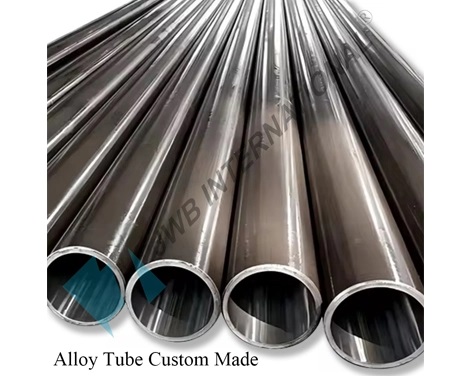
One of the most significant advantages of Alloy Steel Tubes is their superior strength-to-weight ratio. They provide high mechanical strength without adding excessive weight, which is essential in industries like aerospace, automotive, and construction. Alloy steel also exhibits excellent heat resistance, ensuring reliable performance in high-temperature environments such as boilers, heat exchangers, and turbines. Furthermore, the enhanced corrosion resistance of alloy steel allows it to perform effectively in environments exposed to chemicals, moisture, or extreme weather. These performance attributes reduce maintenance costs and extend the overall service life of equipment.
When choosing between alloy steel and carbon steel tubes, it is important to understand the differences in performance, durability, and cost. The table below highlights the key distinctions:
Feature | Alloy Steel Tube | Carbon Steel Tube |
Strength | Higher tensile and yield strength | Moderate strength |
Heat Resistance | Performs well under high temperatures | Limited resistance in extreme heat |
Corrosion Resistance | Resistant to rust, oxidation, and chemical exposure | Prone to corrosion without coatings |
Durability | Longer service life with lower maintenance | Shorter lifespan, higher maintenance need |
Cost Consideration | Higher initial investment, long-term cost efficiency | Lower upfront cost but higher replacement |
This comparison demonstrates why industries that demand high performance in challenging environments often select Alloy Steel Tubes over conventional carbon steel alternatives.
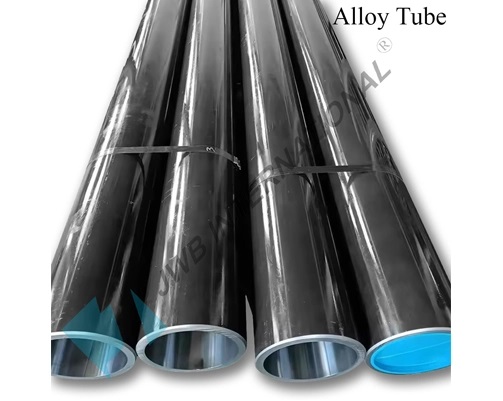
The unique performance characteristics of Alloy Steel Tubes make them suitable for a wide range of applications. In the oil and gas industry, they are widely used for pipelines and drilling equipment due to their ability to withstand pressure and resist chemical corrosion. In power plants, alloy steel is used in boilers, heat exchangers, and steam pipelines because of its high temperature resistance. In the automotive and aerospace industries, it is utilized in structural parts where strength and weight reduction are critical. Even in construction, alloy steel tubes are chosen for frameworks and heavy-duty supports where durability and safety are essential.
Selecting the right supplier for alloy steel products is crucial for ensuring quality and reliability. JWB Group, founded in 2011 with its first headquarters in Shanghai, China, has expanded into Germany and now serves markets across Europe and Asia. With expertise ranging from metal manufacturing to logistics, JWB provides comprehensive services from custom-made precision components to large-scale finished products. The company is committed to delivering high-quality solutions that meet international standards, including durable and reliable Alloy Steel Tube. By partnering with JWB, clients benefit from global sourcing capabilities, tailored manufacturing, and efficient distribution, making JWB a trusted partner in industries that demand excellence.