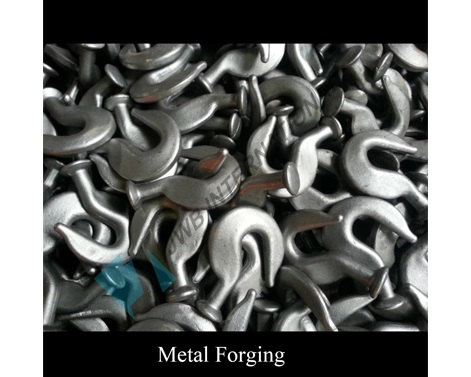
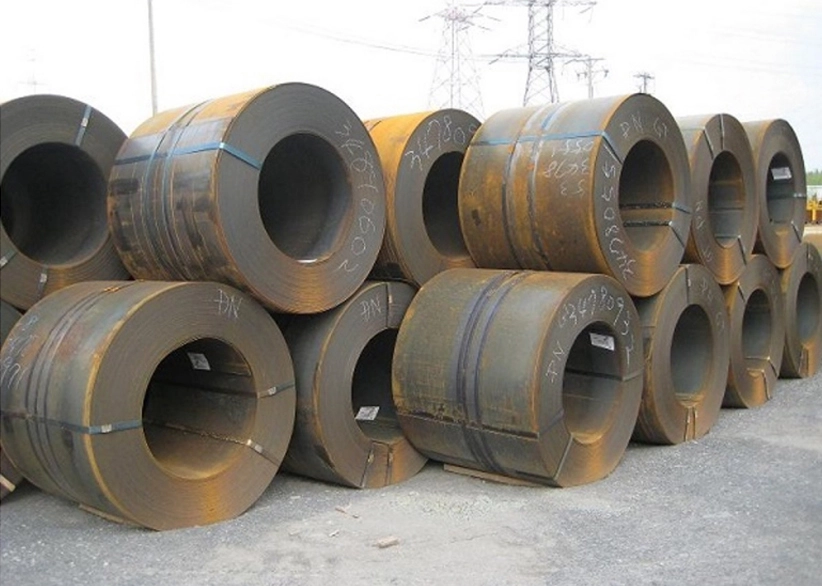
Hot forging is a critical manufacturing process that involves shaping metals at elevated temperatures, usually above the material's recrystallization point. At these high temperatures, metals become more ductile, reducing the force required for deformation while allowing the production of intricate shapes. The result is a refined grain structure that significantly enhances mechanical properties such as strength, toughness, and fatigue resistance. JWB, as an experienced hot forging manufacturer, has been supplying industries with reliable hot forging parts that perform under extreme working conditions. By combining expertise in metal forming with precise process control, the company ensures products that meet demanding international standards.
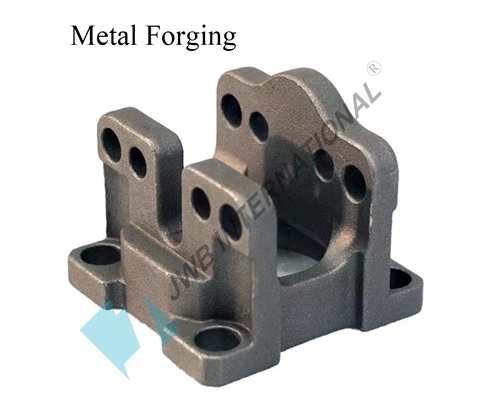
In the world of forging, one of the most important factors affecting production efficiency and cost is the lifespan of the forging die. Each die endures repeated high-pressure impacts and exposure to elevated temperatures, which can eventually lead to wear, cracking, and deformation. However, hot forging offers unique advantages in extending die life. Properly controlled temperature distribution, lubrication methods, and advanced heat treatment techniques all contribute to reducing die fatigue. By optimizing these parameters, manufacturers can literally double the operational life of dies, thereby reducing costs and improving overall production efficiency. JWB applies its global experience to these technical aspects, ensuring that hot forging delivers not only strong components but also longer-lasting production tools.
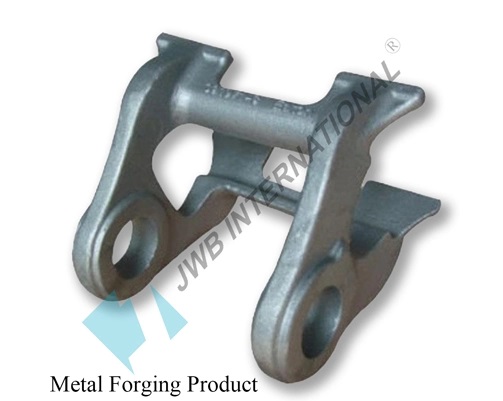
When evaluating forging methods, it is useful to compare hot forging with cold forging to understand how each process impacts die life and component performance.
Feature | Hot Forging | Cold Forging |
Processing Temperature | Above recrystallization temperature | Room temperature |
Die Wear | Controlled with heat treatment and lubrication, longer die life achievable | Higher stress on dies, shorter life span |
Material Ductility | High, allowing complex shapes and heavy deformation | Lower, limited to simpler shapes |
Mechanical Properties | Improved toughness and fatigue resistance | Higher surface finish and dimensional accuracy |
Cost Efficiency | Better for large and complex hot forging parts | Suitable for mass production of small precision parts |
This comparison highlights why hot forging remains a preferred choice for industries requiring large, durable parts and longer die life, despite the relatively rougher surface finish compared to cold forging.
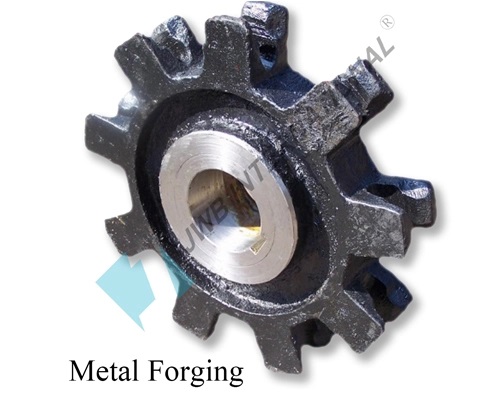
The applications of hot forging parts extend across a wide range of industries, particularly where strength, resilience, and reliability are crucial. In construction and mining machinery, forged gears, shafts, and axles produced through hot forging are relied upon for their ability to withstand heavy loads and repetitive stress. In the automotive sector, hot forging is indispensable for crankshafts, connecting rods, and steering components that demand excellent fatigue resistance. Aerospace applications also benefit from hot forged components, as the process ensures consistent grain flow and integrity under extreme operational environments. By offering versatility in material choices such as steel, alloy, and aluminum, hot forging supports diverse industrial needs while maintaining high structural reliability.
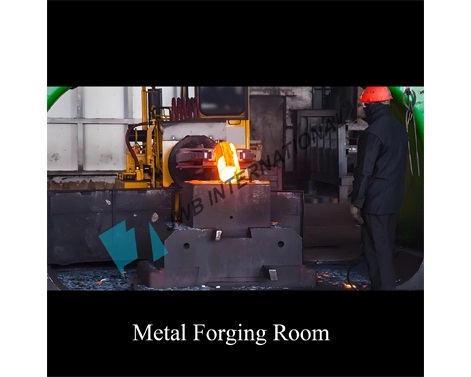
As industries continue to push for greater efficiency, reliability, and cost reduction, the significance of hot forging will only increase. The ability of the process to produce large, complex parts while simultaneously extending the lifespan of dies makes it indispensable in modern manufacturing. Advancements in forging simulation, die materials, and thermal management are further enhancing the process, ensuring that hot forging will continue to deliver superior mechanical properties and long-term economic benefits. For companies seeking durability and consistent quality, hot forging remains not just a manufacturing process but a strategic solution to modern industrial challenges.